
What a UNESCO listing actually promises a living tradition
Inscription under the 2003 intangible heritage convention is a procedure, not a verdict — and the difference is visible on every banner that shortens it to one word.
Reporting on the cultural life of places: languages and dialects under pressure, craft workshops and apprenticeships, religious practice and the rules a visitor should observe, music, festivals and food customs. Explanations come from practitioners rather than guidebooks. For travelers who want to understand something before photographing it.
Language, religion, craft traditions, music and etiquette explained by the people who practice them, including the customs visitors most often misread.
Inscription under the 2003 intangible heritage convention is a procedure, not a verdict — and the difference is visible on every banner that shortens it to one word.
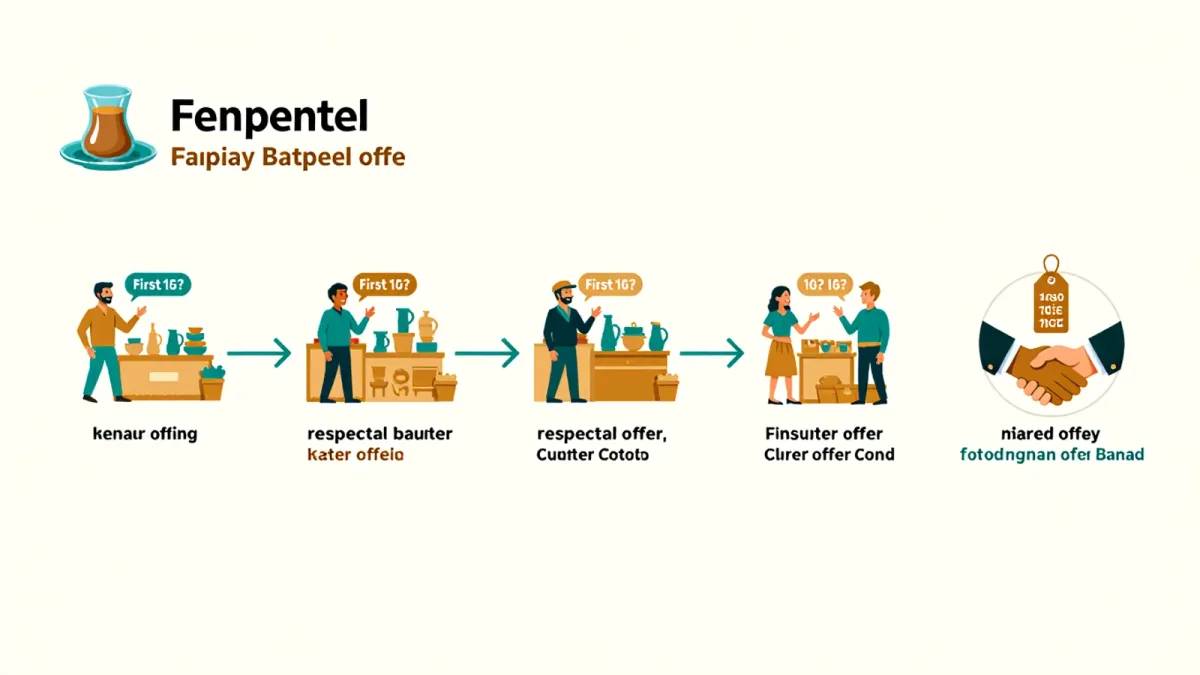
Istanbul's Grand Bazaar, trading under roofs since construction began around 1455, runs on a bargaining culture that looks like haggling and functions like courtship, with rules a traveler can learn in one morning.
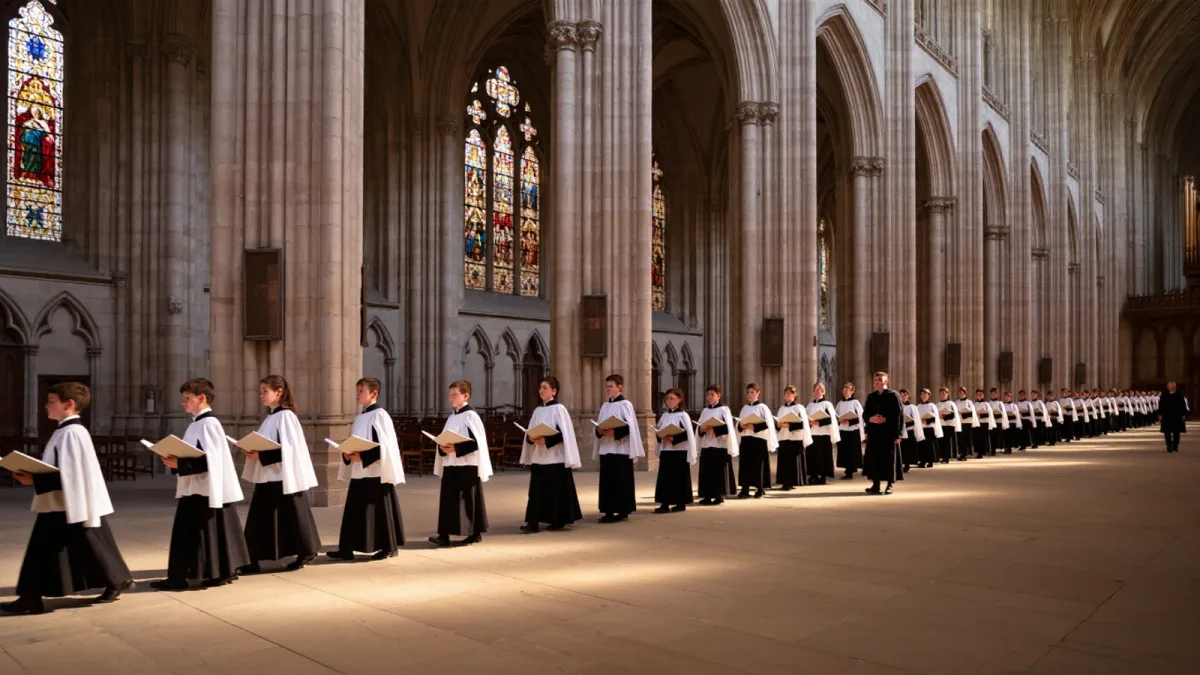
England's cathedral choristers still sing the daily offices in stone buildings raised for that purpose, a working tradition of child professionalism whose best-known hour, the Festival of Nine Lessons and Carols, has been broadcast since 1928.
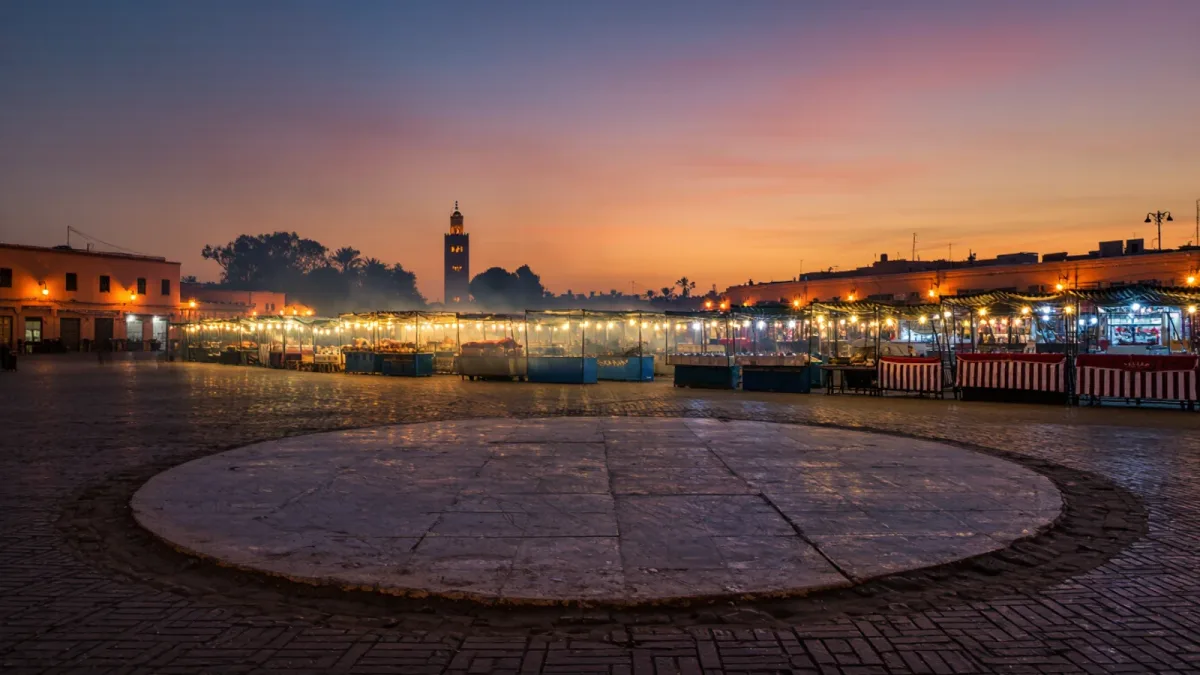
Jemaa el-Fna's halqa, the audience circle that forms around a storyteller in the dusk, is the most public oral tradition in the Arab world, recognized internationally in 2001 and still performed nightly on the square's crowded paving.

Venice moved its glassmaking to Murano in 1291 to spare the city from fire, and seven centuries of guild rules, family dynasties, and exported secrets made the small island the longest continuous glass workshop on earth.
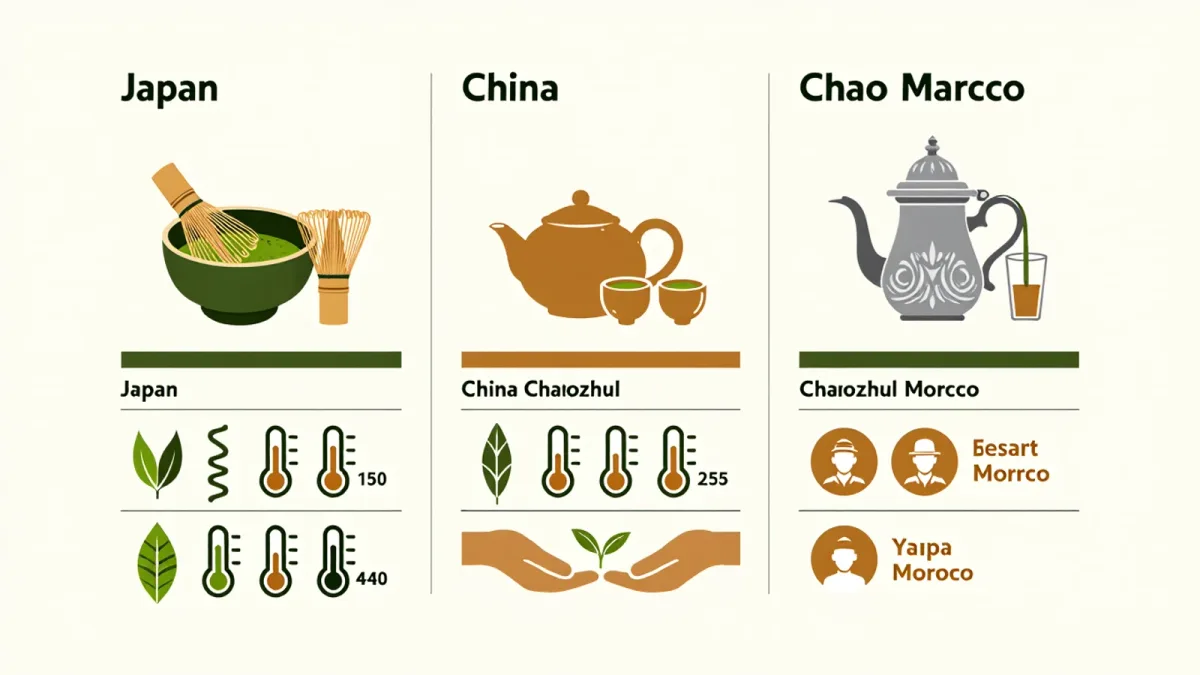
The Japanese tea of Sen no Rikyu, the gongfu tables of Chaozhou, and the mint tea of the Moroccan medina share one leaf and three completely different ideas of what a guest owes the moment.
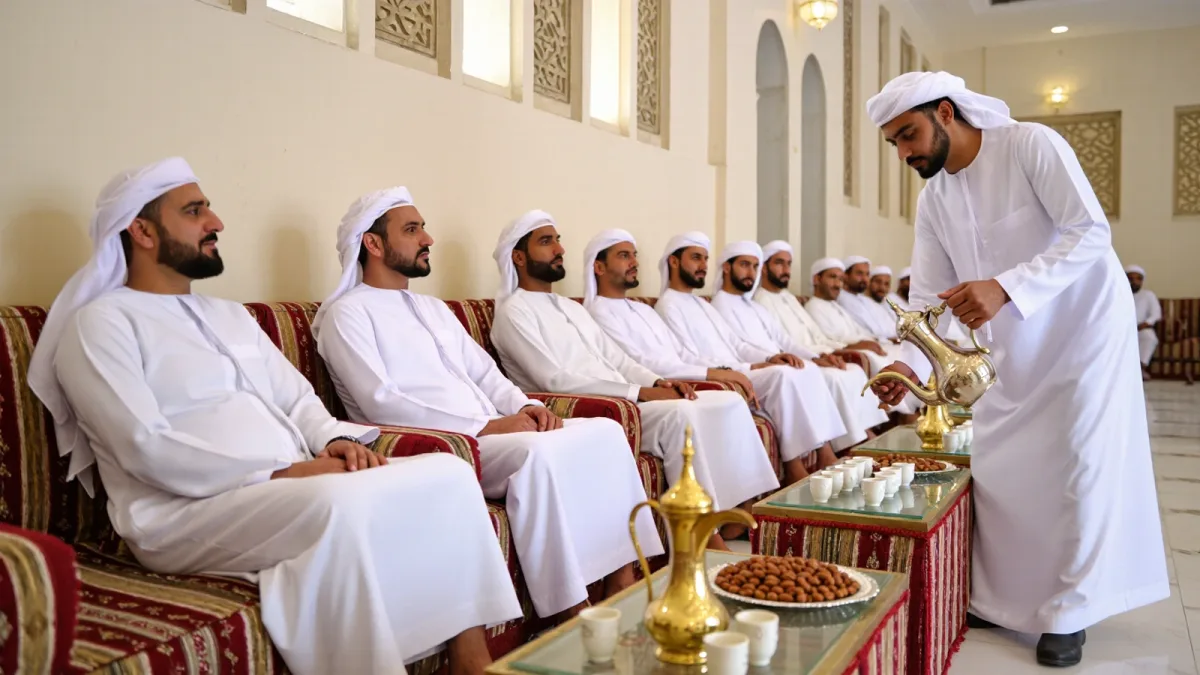
The Kuwaiti diwaniya, a house's dedicated reception room where guests gather nightly, runs discussion, politics, and hospitality in one sitting, and it grew out of the Arabian majlis tradition that received international heritage recognition in 2015.

Finland keeps around three million saunas for five and a half million people, its sauna culture received international heritage recognition in 2020, and the etiquette that governs the steam is quiet, specific, and learnable in an afternoon.
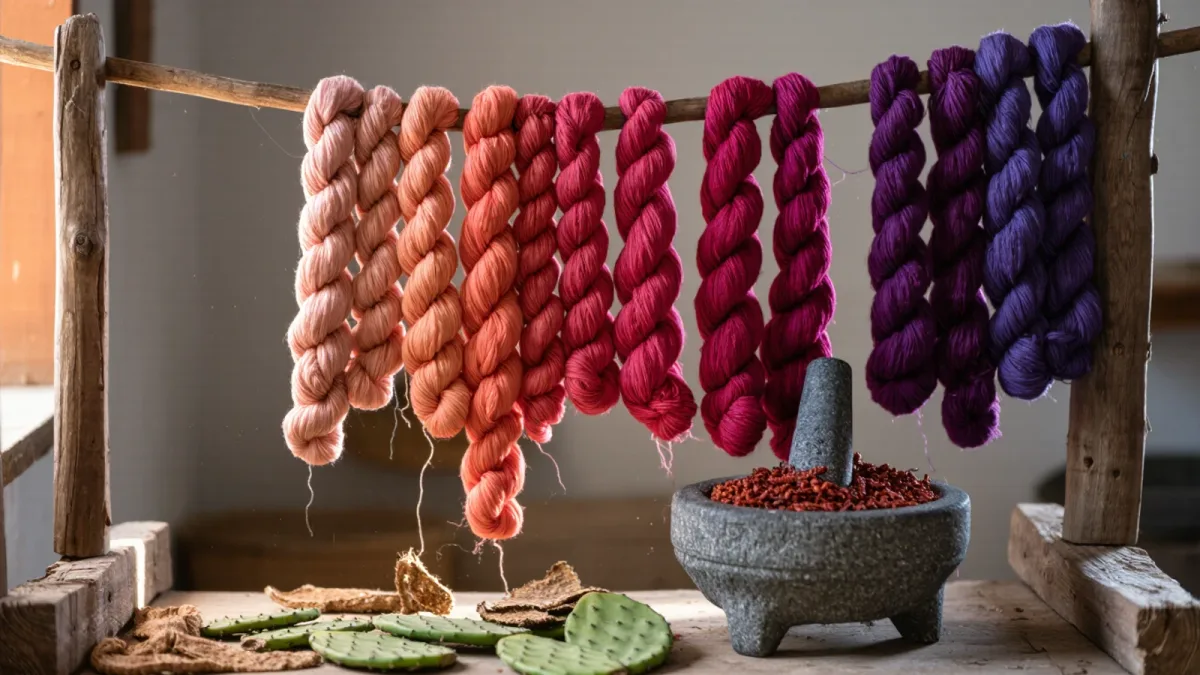
The Zapotec weaving village of Teotitlán del Valle dyes its wool with cochineal, the crushed scale insect that was New Spain's second export after silver, on pedal looms whose arrival dates to the sixteenth century.
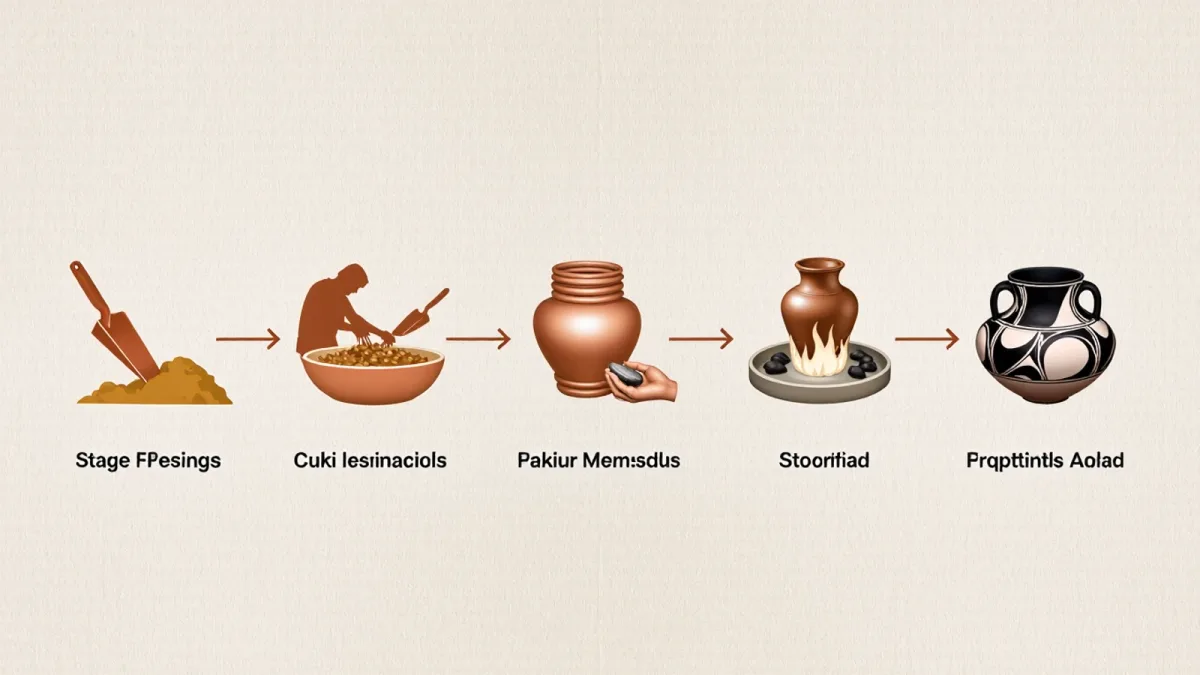
Pueblo pottery survived conquest, prohibition, and the curio trade, and its twentieth-century revival, led by Maria Martinez of San Ildefonso and Nampeyo of Hopi, made the coil-built jar the signature art of the American Southwest.