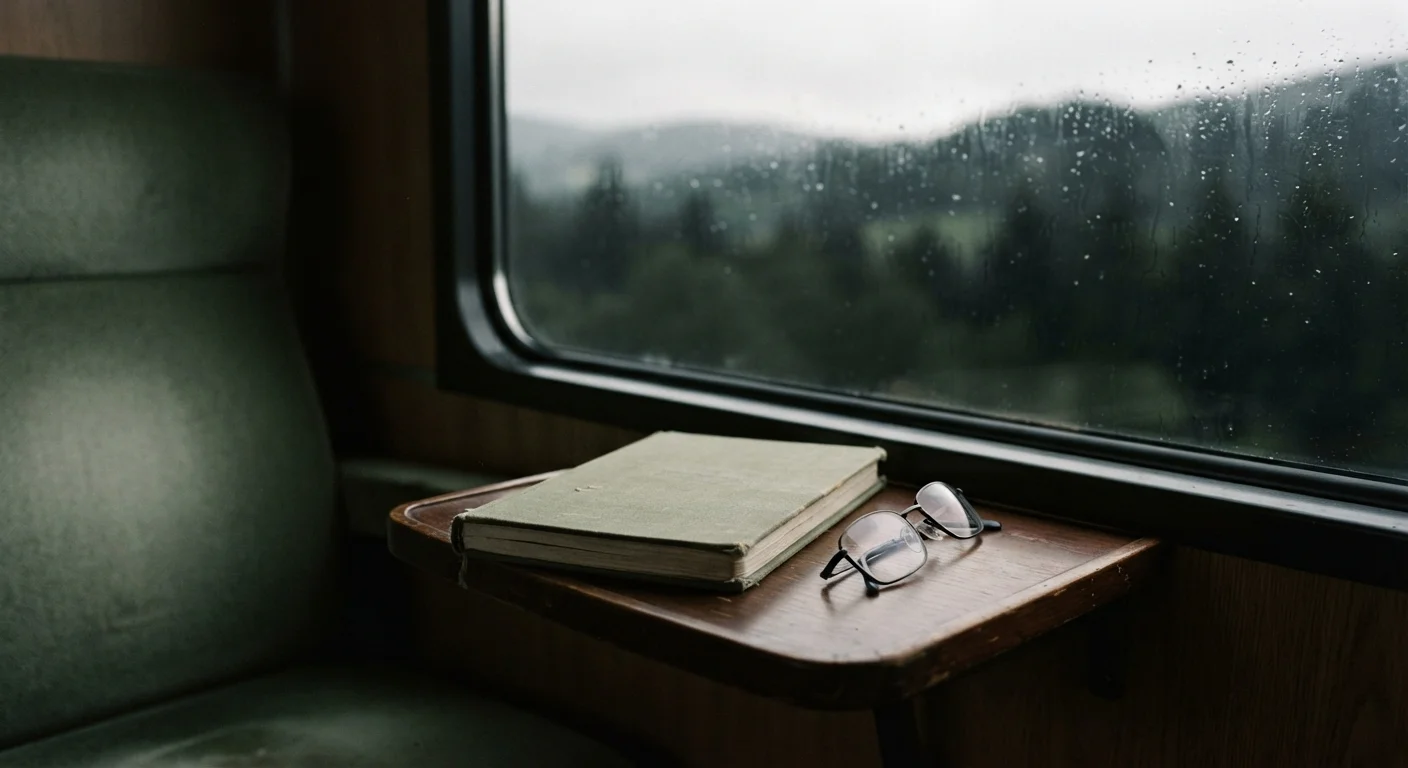
What the Paris–Vienna night train still carries
The Nightjet that returned between Paris and Vienna in December 2021 carries more than sleepers — it carries a European argument about what travel is for.
Reported narratives from journeys taken at length: the ferry crew, the seed keeper, the border town pharmacist, the guide who stopped guiding. Each story reaches a place through the people living in it, with their work, wages and words on the record. For readers who prefer travel writing that reports rather than admires.
Long-form reporting from the road, told through the people met along it: their work, their languages, and what a short visit never stays to see.
The Nightjet that returned between Paris and Vienna in December 2021 carries more than sleepers — it carries a European argument about what travel is for.
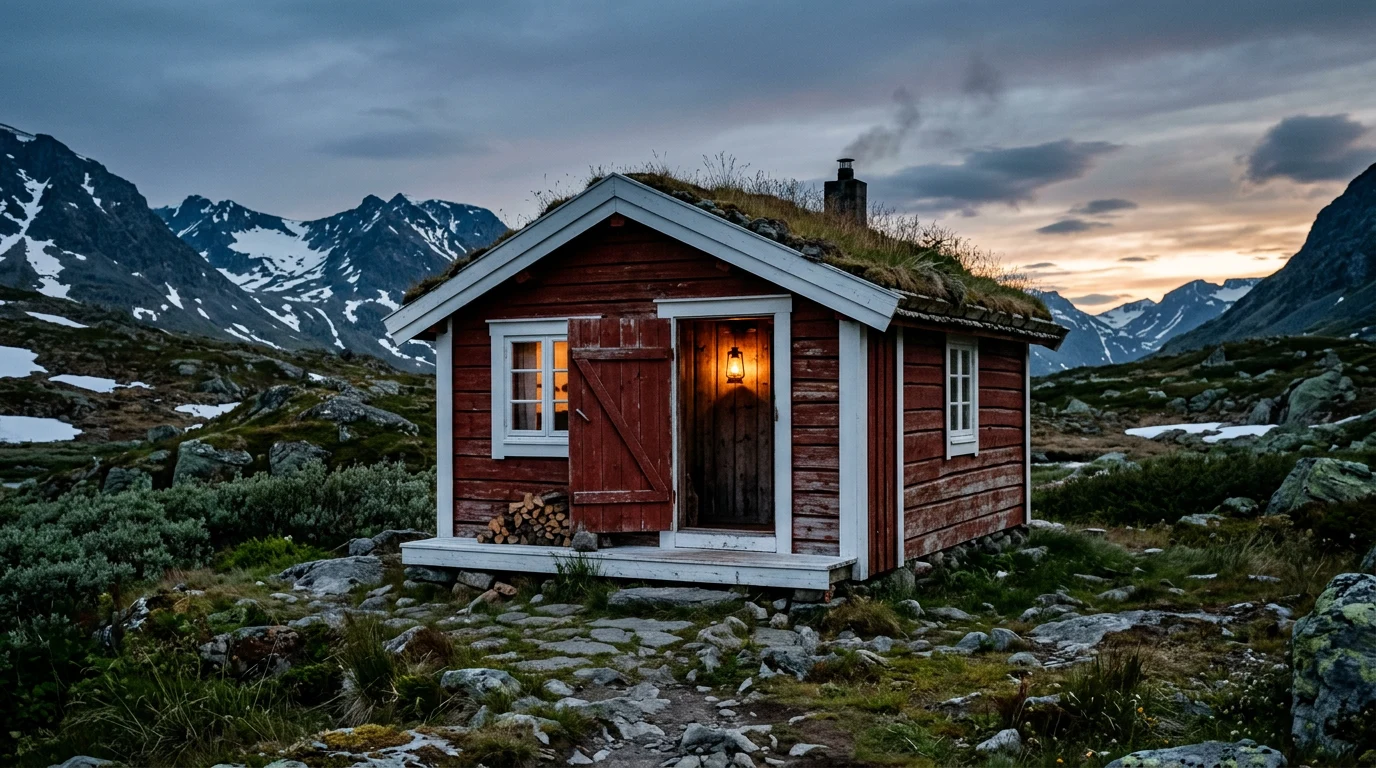
Across Norway's high country, thousands of hikers let themselves into unstaffed cabins, cook from an unattended pantry, and pay for what they used before moving on — a trust-based system the Norwegian Trekking Association has run since its founding chapter formed in 1868.
The RNLI's lifeboat crews have launched to ships in trouble from Cornwall's coast since the institution was founded in 1824, and the crews are still overwhelmingly volunteers: fishermen, teachers, and builders with pagers on their belts.
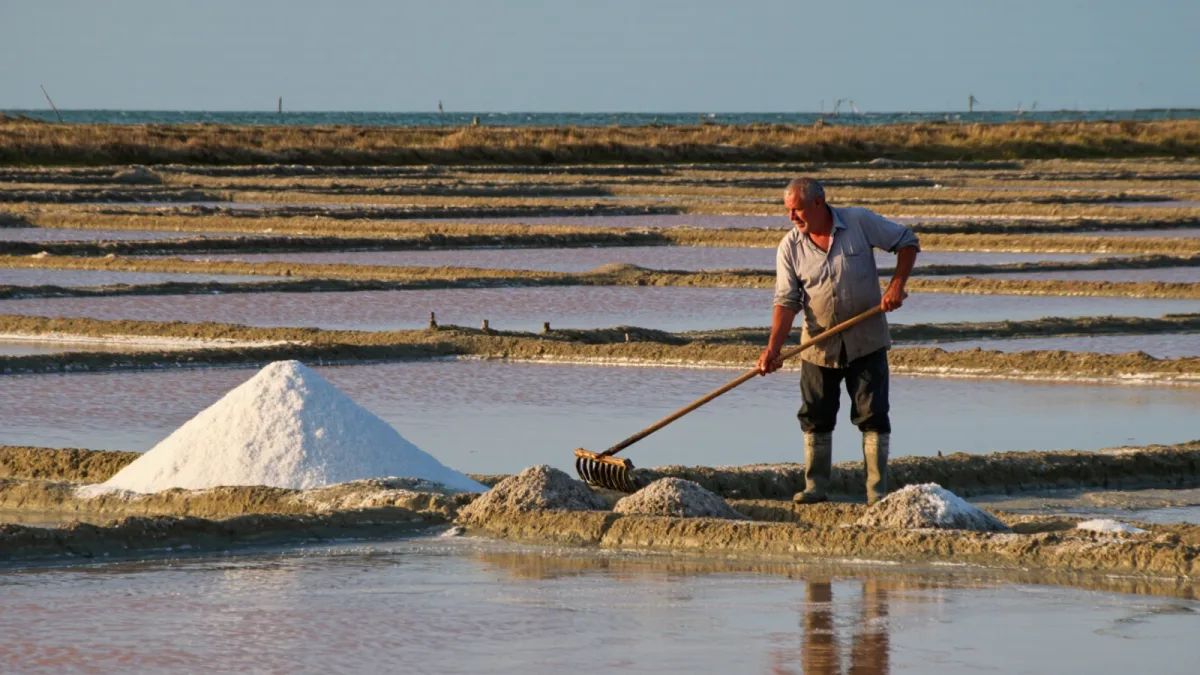
On the Guerande peninsula north of the Loire estuary, some four hundred paludiers harvest sea salt from clay basins laid out in the Middle Ages, in a cooperative trade whose rules would be recognizable to their medieval predecessors.
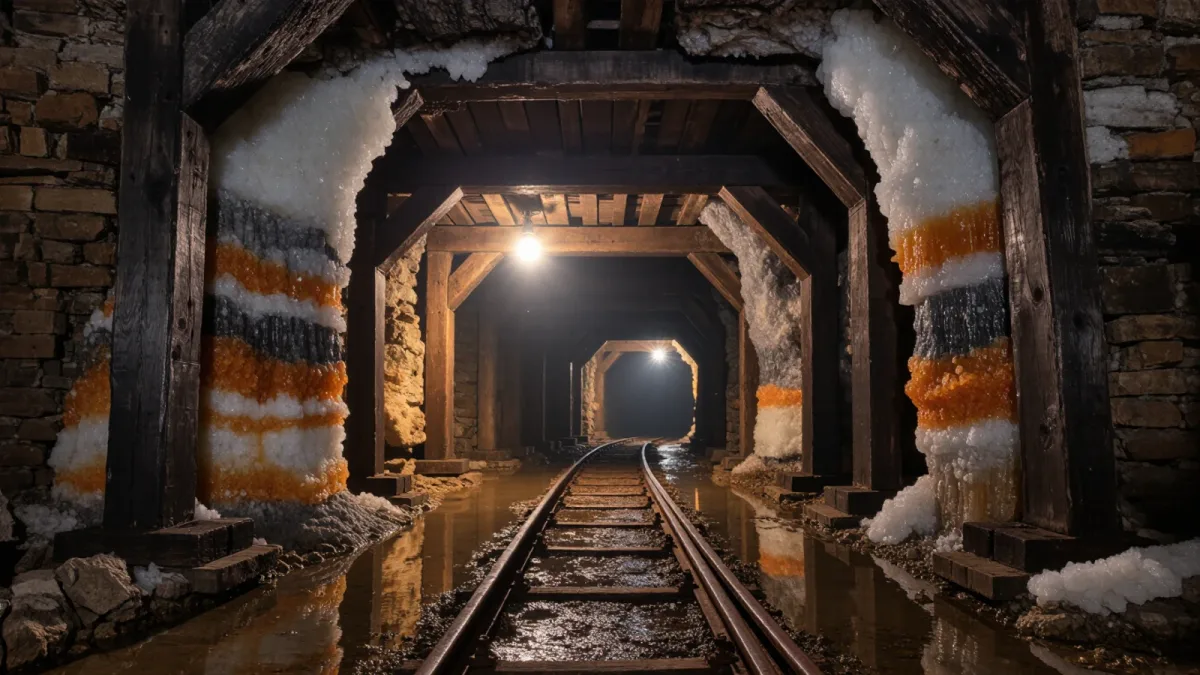
Salt has been mined above Hallstatt for some seven thousand years, the Iron Age that bears the village's name was financed by it, and a brine pipeline built in 1607 still runs the mountain's product to the works at Ebensee.
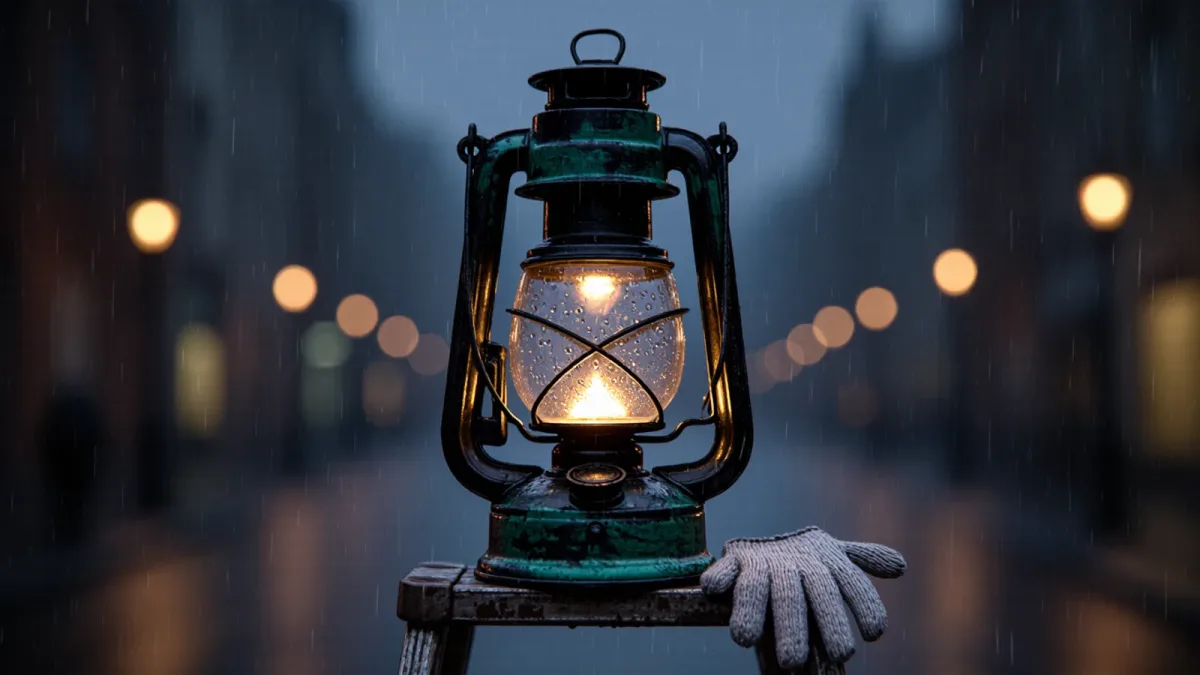
Roughly 1,500 gas lamps still burn in London, most of them in Westminster and the Royal Parks, and a small corps of employed lamplighters keeps the flames lit in a trade that once ran on whole families.
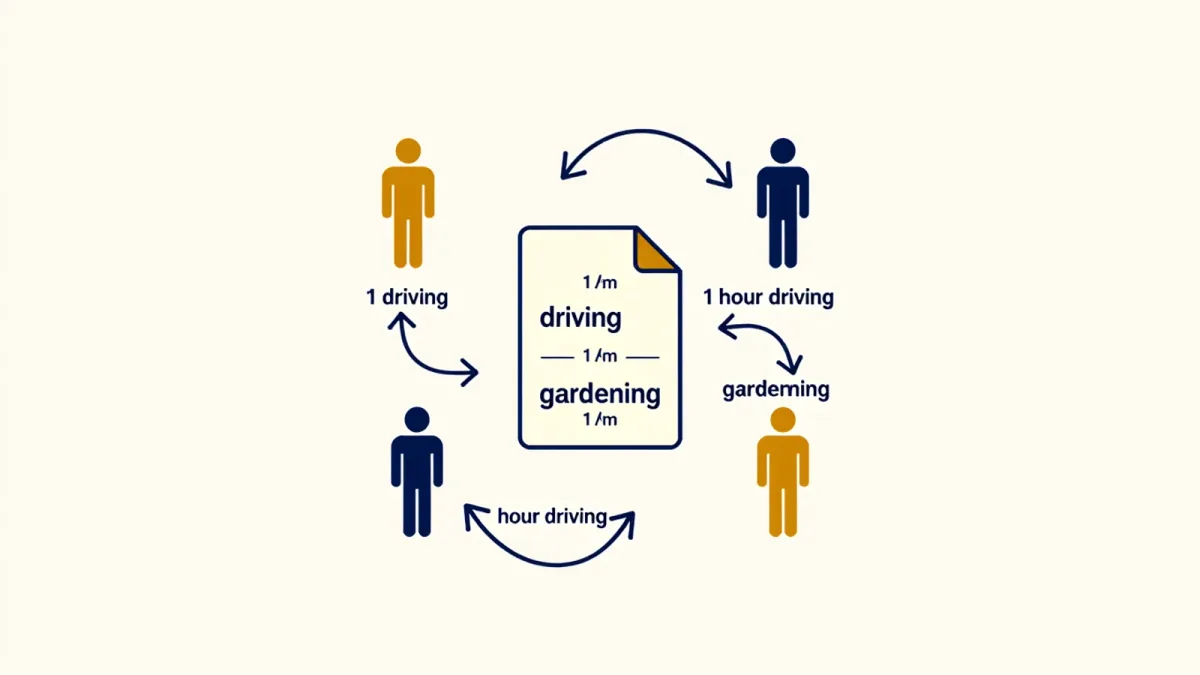
Time banks, the mutual-credit systems where an hour of help earns an hour of help, began as an American legal scholar's idea in the 1980s and now keep rural communities across Europe and Japan functioning.

Ireland's storytelling pubs carry on the work of the seanchai, the traditional bearer of lore, in an unbroken line that runs from fireside houses through the folklore collections of the 1930s to the back rooms where a tale still earns its silence.
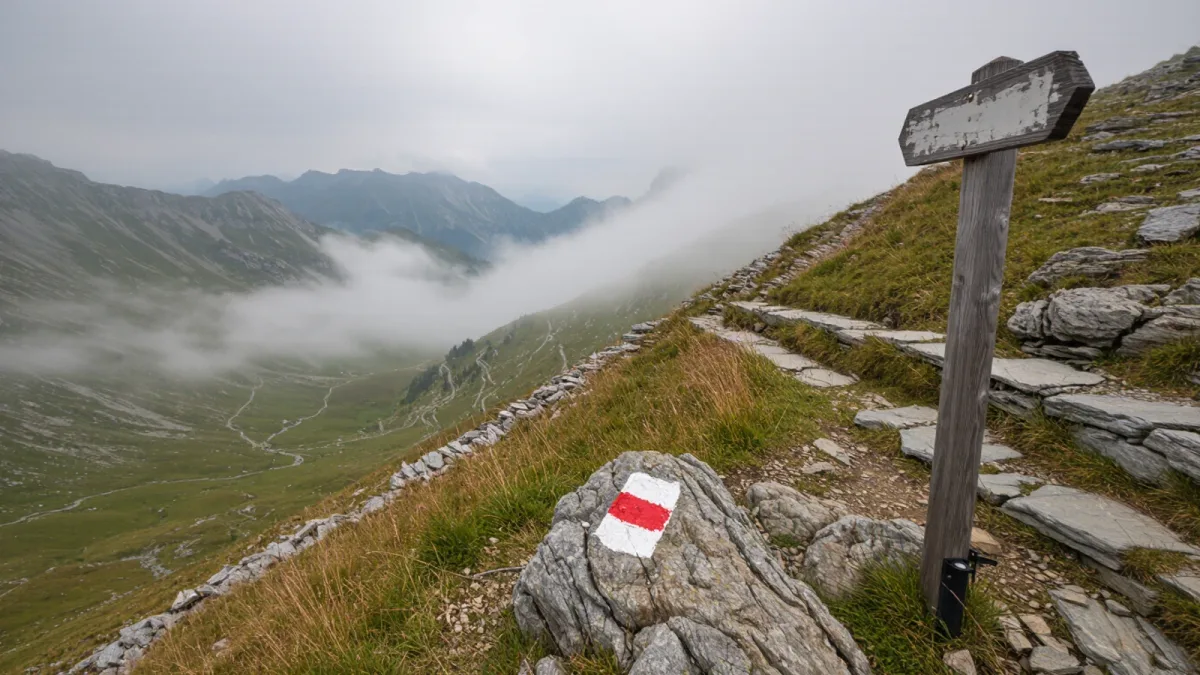
Switzerland counts roughly 65,000 kilometers of marked hiking trails, and the white-red-white waymarks that keep walkers on them are maintained to a large degree by volunteers working for club sections, many of them retired.
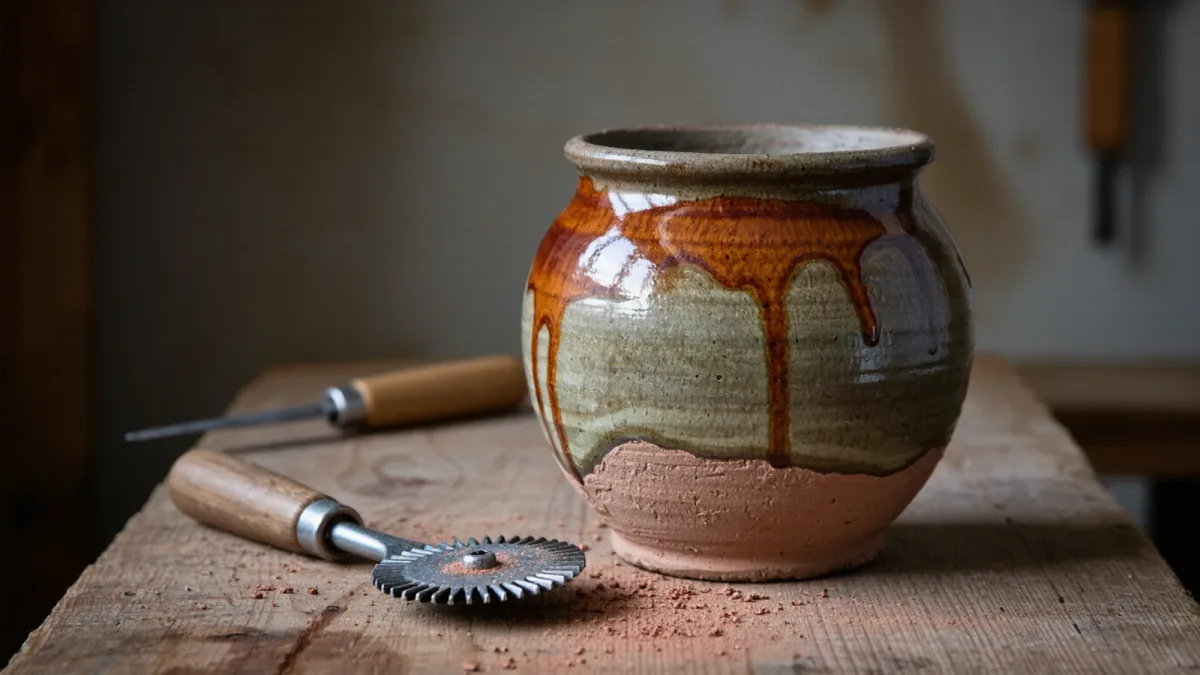
A farming town north of Tokyo has made stoneware since the mid-nineteenth century, and a single potter's decision in the 1920s turned Mashiko into the village where Japanese craft ideals went to live.